Tell us about your site-specific conditions, and we’ll guide you to the best-fit Drago solution—complete with accessories for a full system approach.
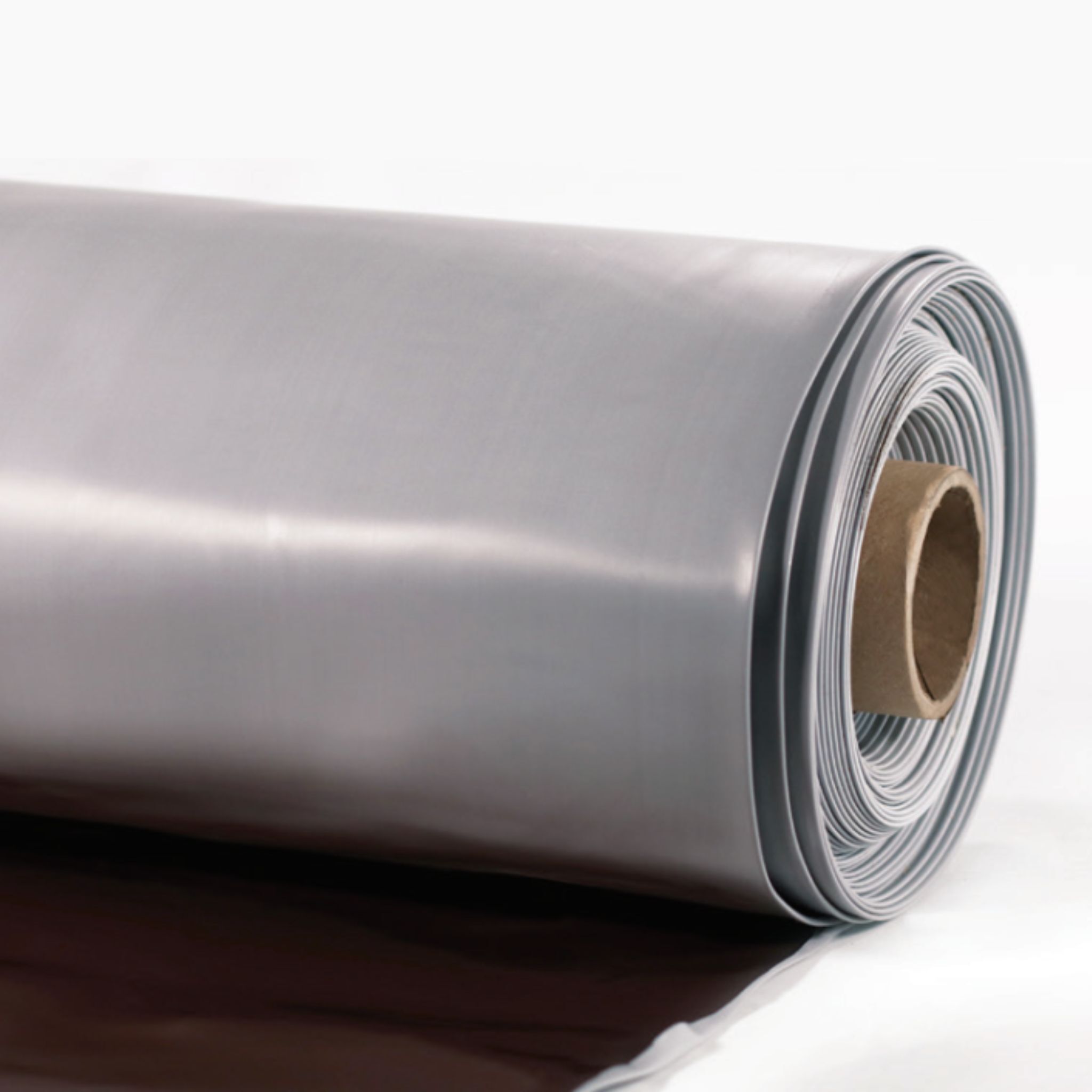
Drago Wrap Vapor Intrusion Barrier is a multi-layered plastic extrusion that combines uniquely designed materials with only high grade, prime, virgin resins. This game-changing barrier technology provides high performance and longevity, allowing for the redevelopment of brownfield and contaminated sites, creating a healthy built environment.
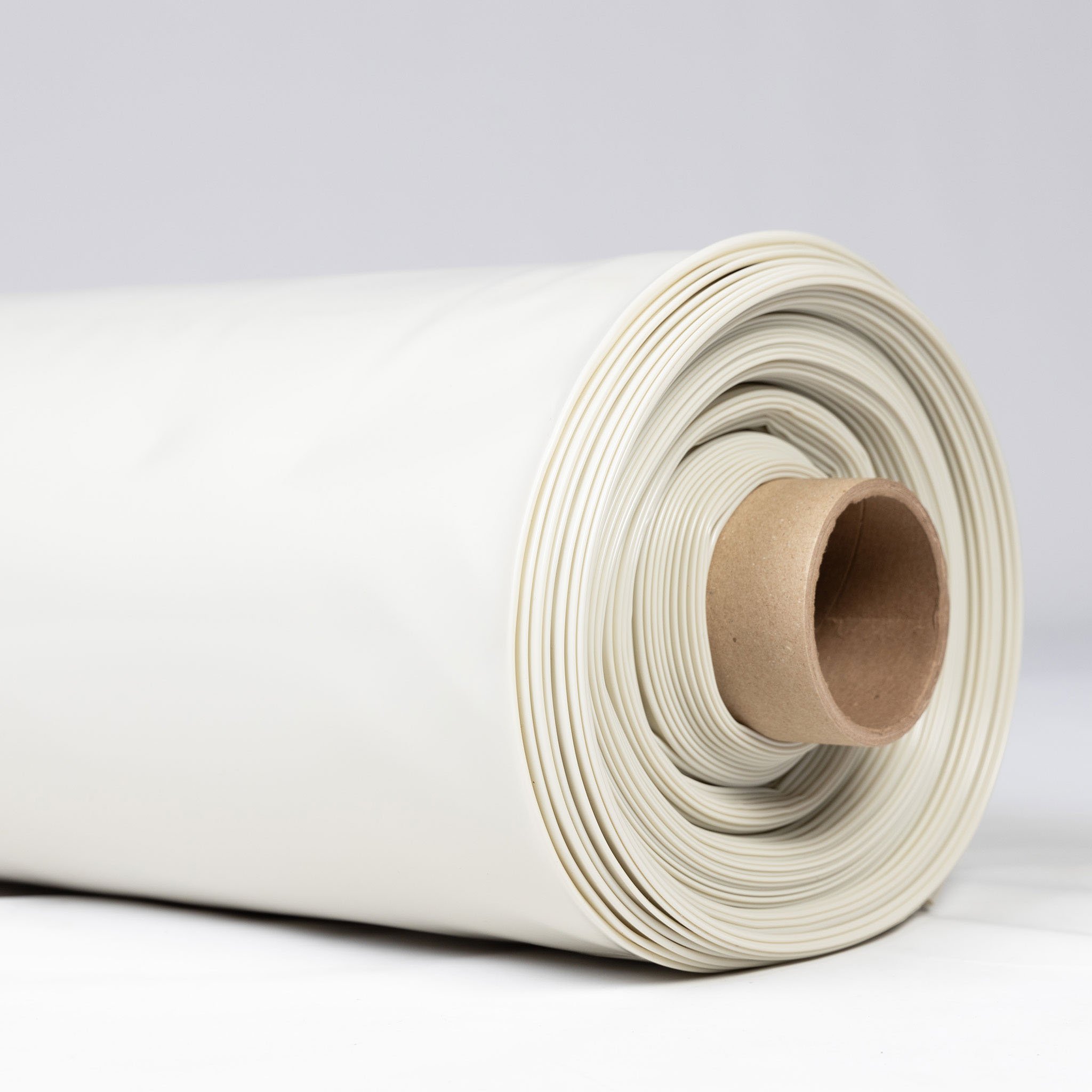
A cost-effective 3-in-1 product solution providing unsurpassed protection from chlorinated solvents, hydrocarbons, and moisture vapor.
"It is estimated that there are more than 450,000 brownfields in the U.S."
- www.epa.gov/brownfields
Drago Wrap Vapor Intrusion Barrier is specifically engineered to serve as a barrier to volatile organic compounds (VOCs). Through patented and trade secret processes, Drago Wrap combines engineered barrier materials with the flexibility and strength of a high-performance polyolefin film into an easy-to-install barrier against hydrocarbons and chlorinated solvents.
Extensive, independent testing proved Drago Wrap's effectiveness in attenuating hydrocarbons and chlorinated solvents. For more information on our independent testing, please contact Stego Industries Technical Department CLICK HERE.
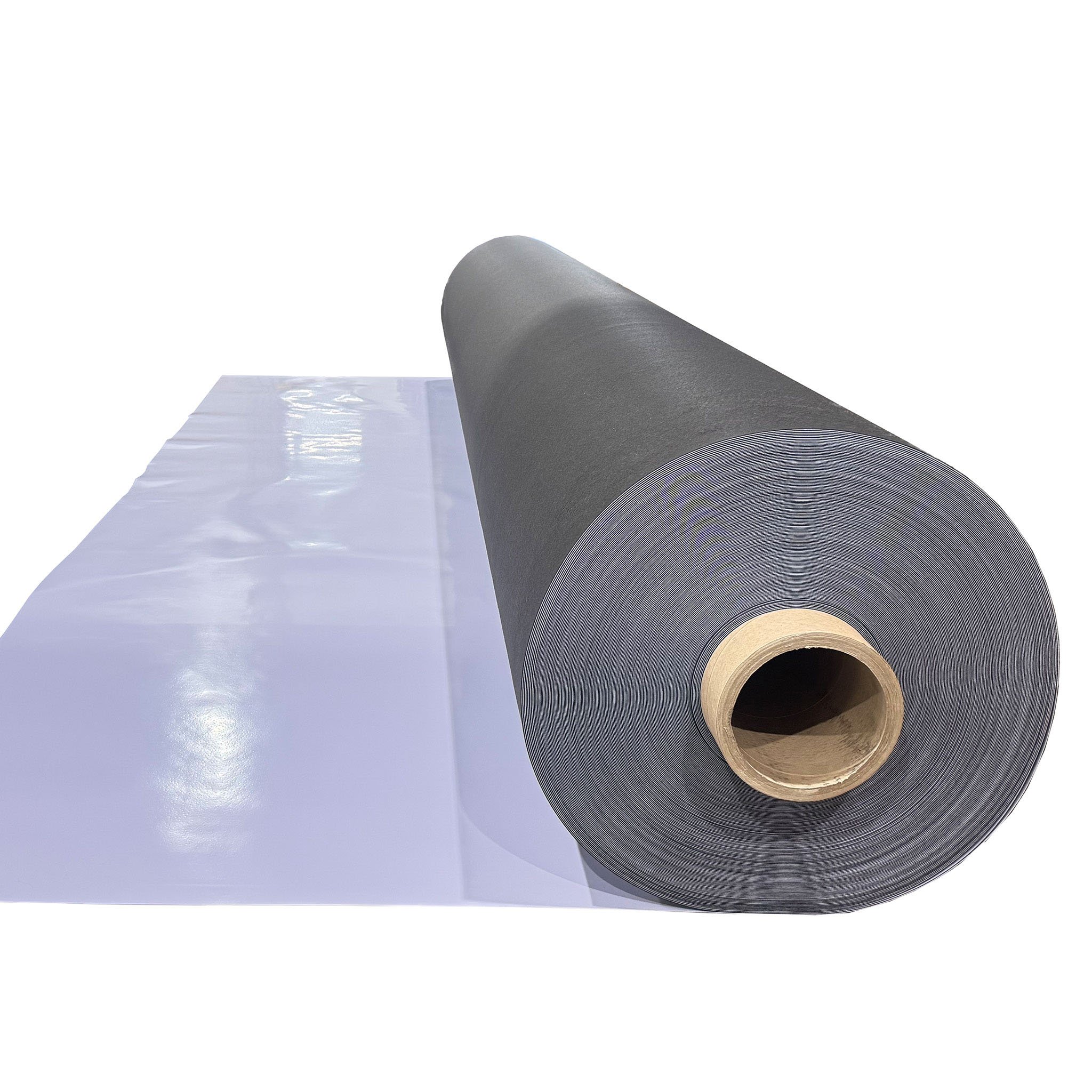
Delivers robust strength and performance in the control of soil gases and water vapor diffusion. It is a multi-layered plastic extrusion that combines gas barrier technology laminated to a non-woven geotextile.
Provides value and protection in the control of soil gases. It also provides superior protection beyond a traditional below-slab vapor barrier against water vapor diffusion.
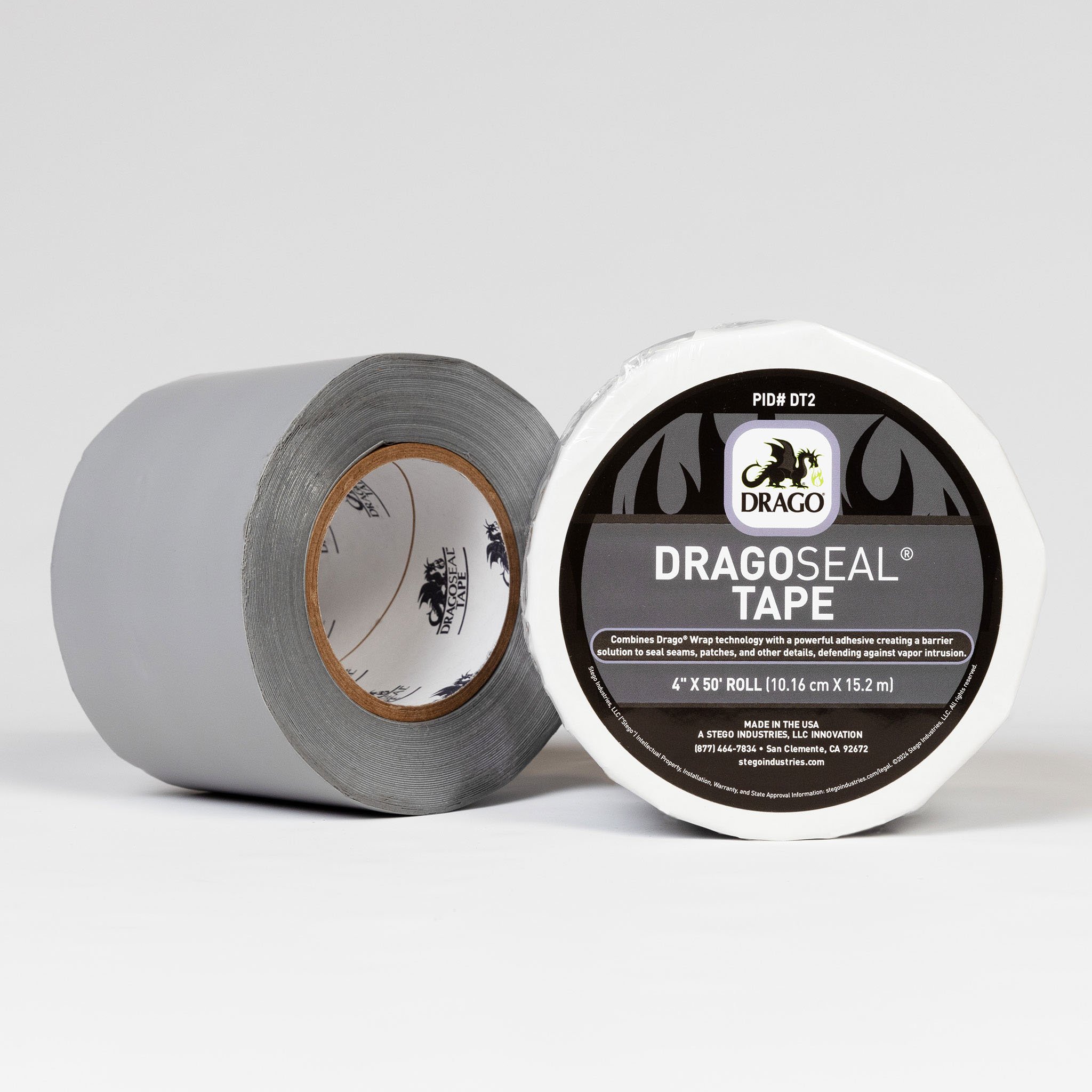
Combines Drago Wrap technology with a powerful adhesive for a barrier solution to seal seams, patches, and other details, defending against vapor intrusion.
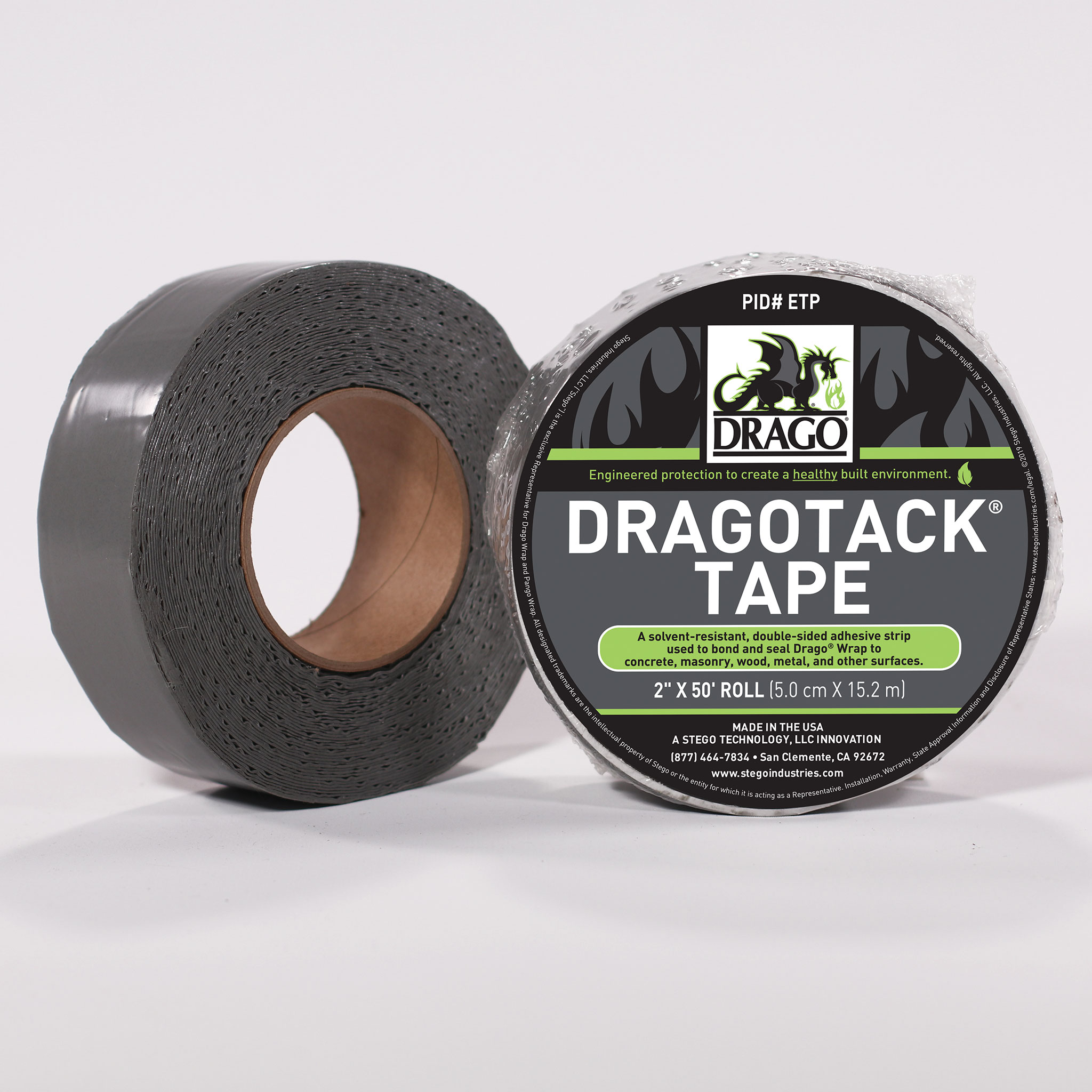
A solvent-resistant, double-sided adhesive strip used to bond and seal Drago Wrap to concrete, masonry, wood, metal, and other surfaces.
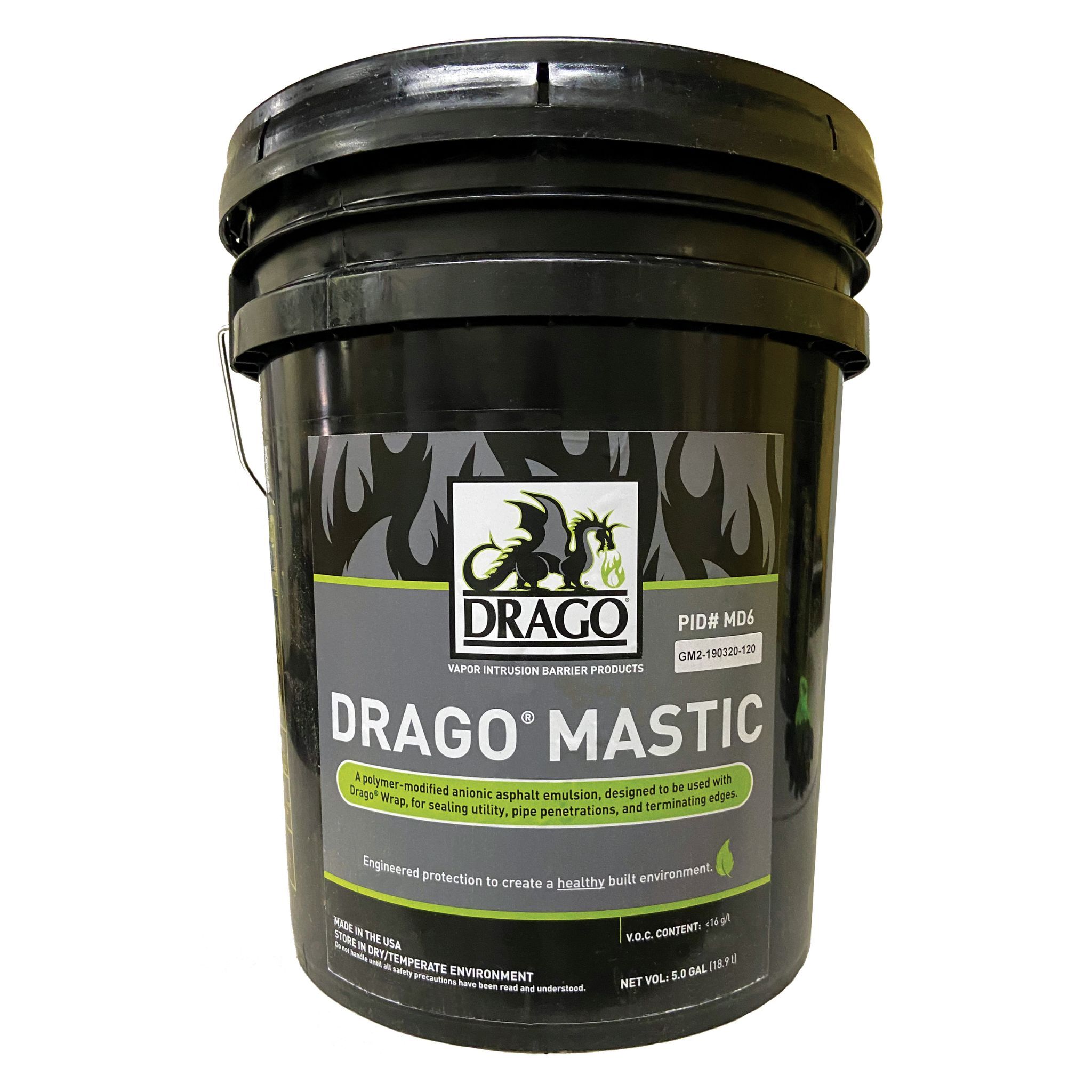
A polymer-modified anionic asphalt emulsion, designed to be used with Drago Wrap, for sealing utility, pipe penetrations, and terminating edges.
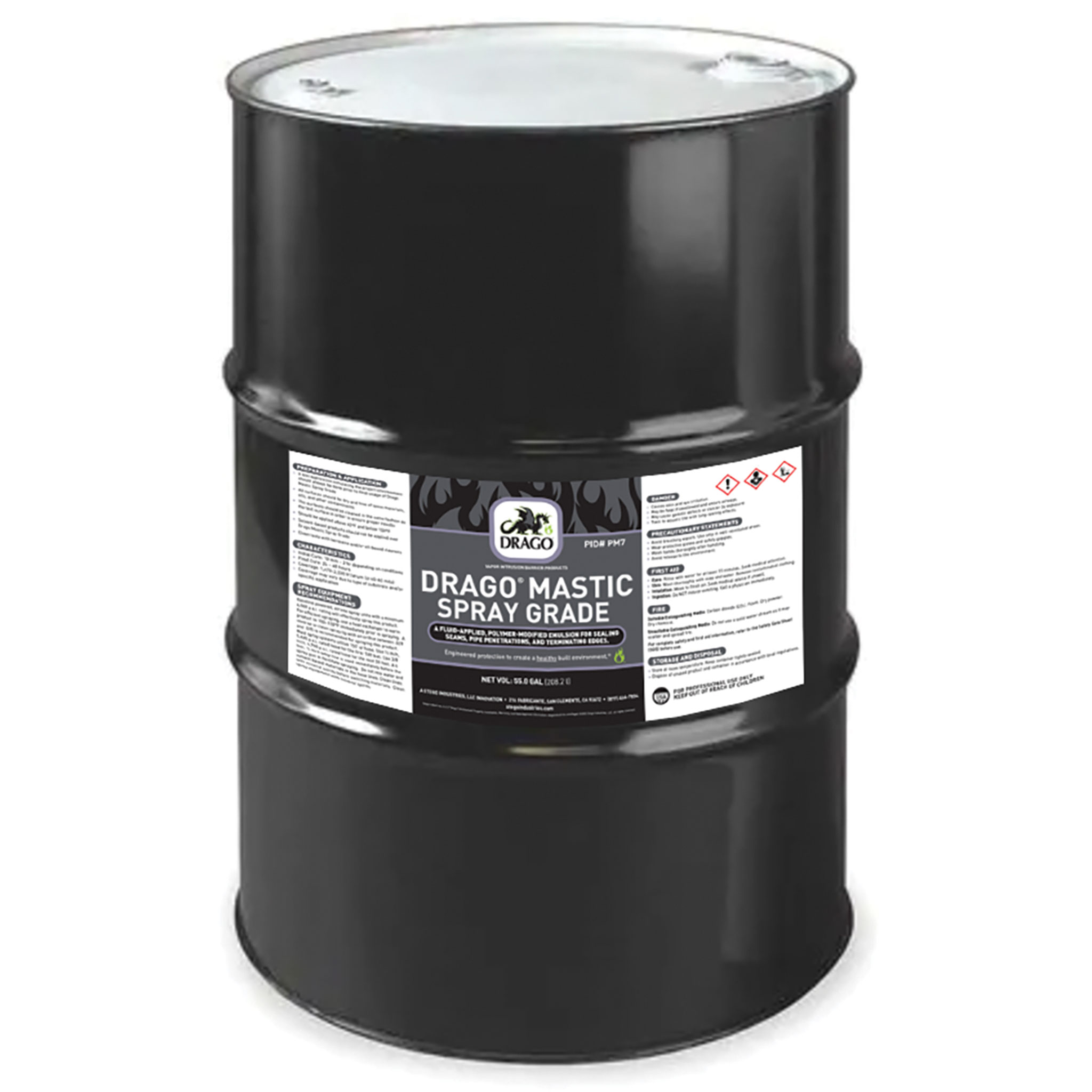
A polymer-modified asphalt emulsion, designed for use on seams in Drago Wrap, seal utility penetrations, or to seal terminating edges of Drago Wrap to existing foundation constructions.
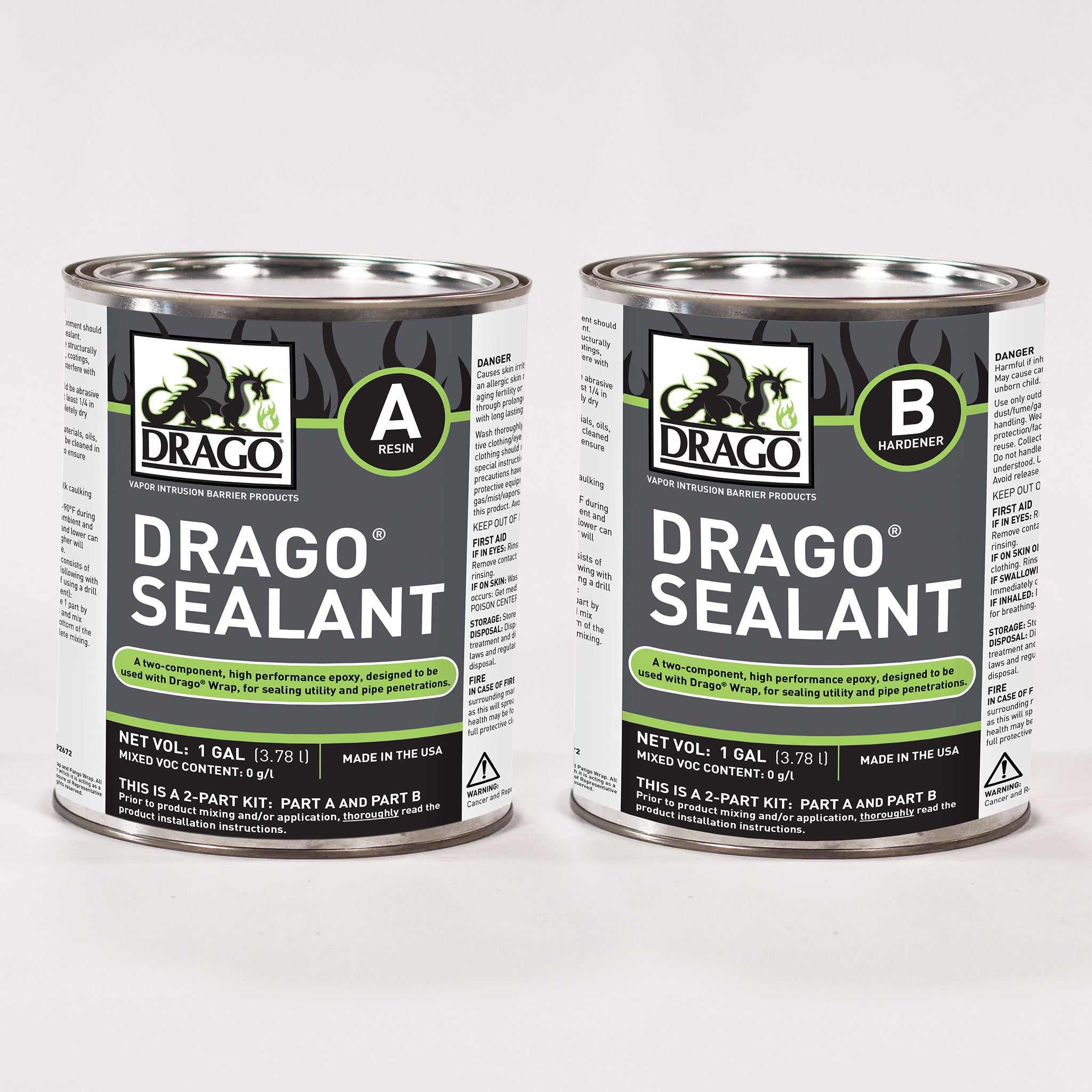
A two-component, high-performance epoxy, designed to be used with Drago Wrap for sealing utility and pipe penetrations.
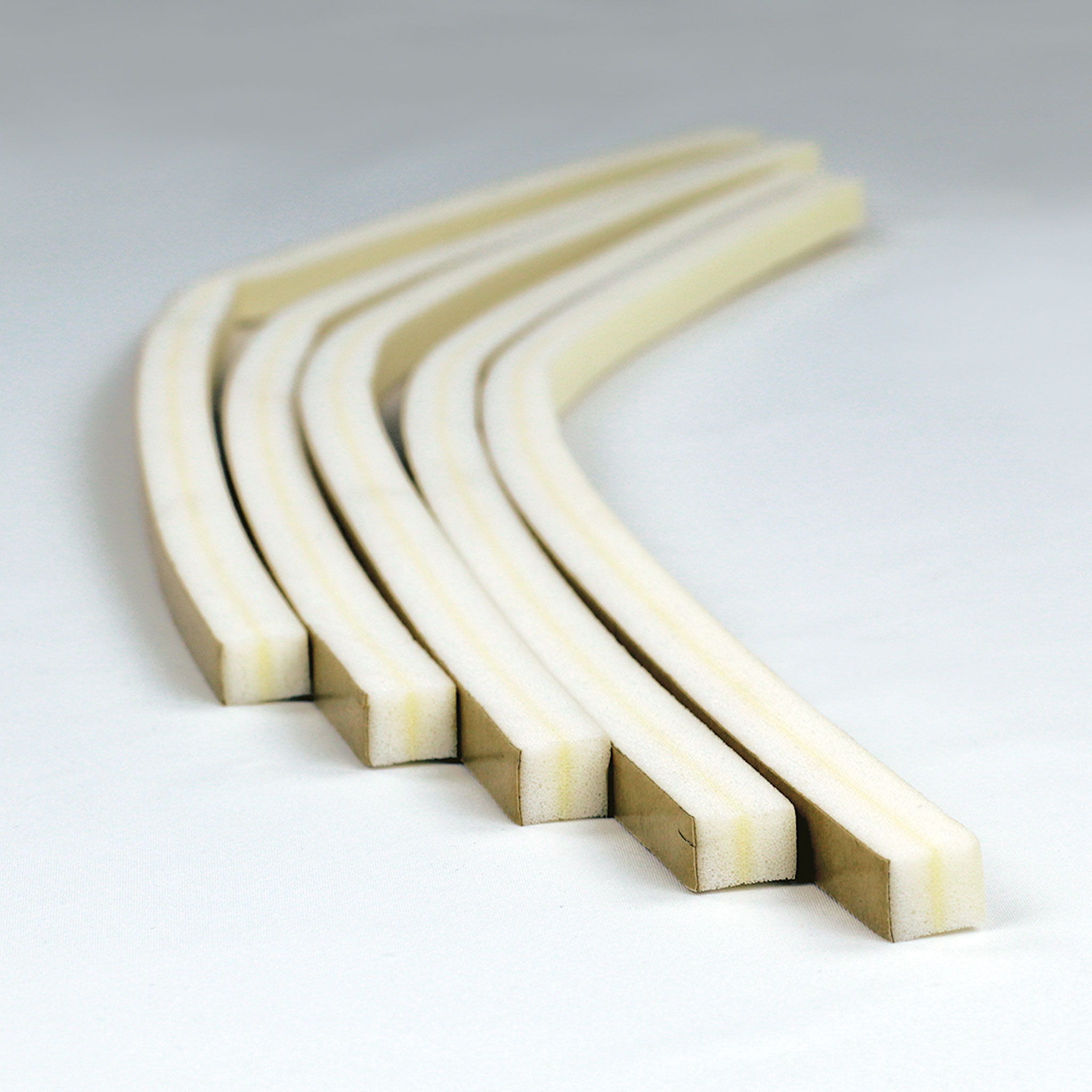
A low-density, cross-linked, closed-cell polyethylene foam designed to be used as a detailing piece with Drago Sealant.
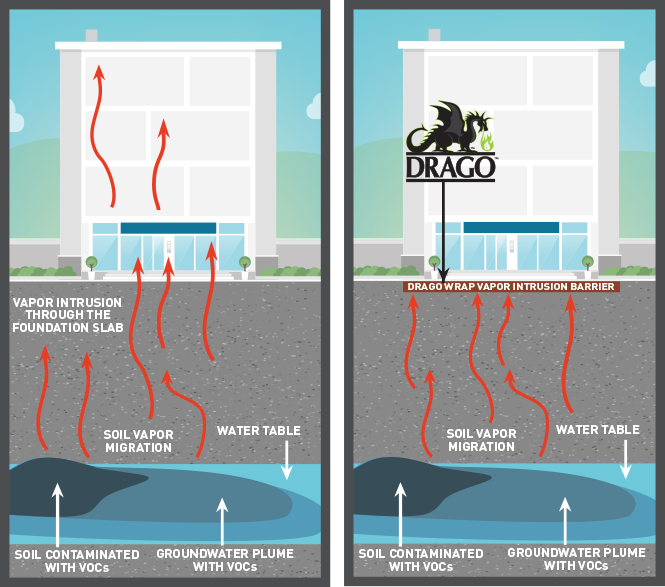
For brownfields and contaminated sites, the focus has historically been to protect human health by preventing exposure to direct contact of contaminated soil or drinking contaminated water. We now know that inhaling chemical vapors poses a potential risk to the health of residents, workers, and other occupants who are inside the buildings.
(Source: EPA)
(Source: EPA)
Both diffusion and advection can draw unwanted chemicals into the building envelope. Regardless of the path that soil vapors can take, experts agree that a monolithic layer of protection like the Drago Wrap Vapor Intrusion Barrier System is critical to controlling the transmission of these chemicals into the building.
Tell us about your site-specific conditions, and we’ll guide you to the best-fit Drago solution—complete with accessories for a full system approach.
Answers to common questions about vapor intrusion barriers, contaminants, system design, product selection, and Drago Wrap installation.
A vapor intrusion barrier is a specialized membrane installed beneath a building to create a continuous, monolithic barrier between the occupied structure and the underlying soil. Depending on the membrane selected, it can help provide protection against moisture vapor, radon, methane, volatile organic compounds (VOCs), and other compounds of concern that may migrate from contaminated soil, soil gas, or groundwater toward the building.
Drago Wrap membranes can be selected for vapor intrusion applications involving radon, methane, trichloroethylene (TCE), perchloroethylene/tetrachloroethene (PCE), benzene, naphthalene, petroleum hydrocarbons, chlorinated volatile organic compounds (VOCs), and other volatile compounds of concern. Appropriate membrane selection should consider the specific contaminants and concentrations present, available chemical-specific permeation data, building use, site conditions, and applicable regulatory requirements.
A conventional underslab moisture vapor barrier is primarily designed to help control water vapor transmission from the ground into a building. Vapor intrusion barriers incorporate additional membrane chemistry and barrier technologies, such as HDPE, EVOH, and metalized layers, designed to significantly restrict the sorption and subsequent diffusion of specific soil gases and volatile compounds through the membrane. Vapor intrusion membrane selection therefore requires evaluation of chemical-specific permeation performance in addition to traditional moisture vapor, durability, and installation performance.
A vapor intrusion mitigation system may be required or recommended when soil, soil gas, or groundwater contamination creates the potential for vapors to migrate into a building. The need for mitigation depends on factors including contaminants and concentrations, building use, exposure pathways, site conditions, regulatory requirements, and the recommendations of the project's environmental professional. ITRC guidance, applicable state regulatory guidance, and relevant ANSI/AARST standards can provide additional frameworks for evaluating and designing vapor intrusion mitigation systems.
Selecting the appropriate Drago Wrap membrane should consider the contaminants and concentrations of concern, building use and occupancy, chemical-specific permeation data, applicable regulatory requirements, site conditions, membrane durability, venting or depressurization strategy, construction conditions, and required system performance. Drago Wrap offers multiple membrane technologies and thicknesses so the appropriate membrane can be evaluated against project-specific performance requirements. Stego Industries can assist project teams with membrane selection, technical data, detailing, and site-specific considerations.
Yes. Vapor intrusion membranes are commonly incorporated into both passive and active sub-slab venting or depressurization systems. The membrane creates a continuous barrier between the occupied building and underlying soil while the venting system provides an additional pathway for managing soil gases beneath the slab. Using these technologies together can provide a layered engineering approach. A continuous membrane can also continue to provide passive protection during mechanical problems, power failures, maintenance, or other interruptions that could affect an active system while simultaneously providing underslab moisture protection.
Drago Wrap membranes are installed beneath the building slab to create a continuous, monolithic barrier. Membrane sections are properly overlapped and sealed, with penetrations, perimeters, foundations, terminations, transitions, and damaged areas detailed using compatible Drago accessory products. Installation should follow manufacturer instructions, project specifications, approved construction details, and applicable industry or regulatory requirements.
The cost of a Drago Wrap membrane system varies depending on the membrane selected, project size, location, building design, site conditions, installation complexity, construction schedule, detailing requirements, accessories, verification requirements, and other project-specific factors. Stego Industries can help project teams evaluate appropriate Drago Wrap membrane options and connect them with experienced Certified Installers who can provide project-specific planning and installation estimates.